Introduction
In today's society, the concern of drinking and driving is taken really 2nd offense dui seriously. The repercussions of supporting the wheel while drunk can be serious, both lawfully and directly. One essential element of a DUI (Driving Under the Influence) apprehension is the breathalyzer examination, which determines an individual's blood alcohol concentration (BAC). Nevertheless, people deserve to refuse this test in specific scenarios. This short article will getting a dui reduced explore the lawful ramifications of declining a breathalyzer examination and give methods for protection in such cases.
Refusing a Breath analyzer Test: Legal Ramifications
Understanding DUI Laws and Penalties
Before diving into the legal ramifications of rejecting a breathalyzer test, it is vital to comprehend the underlying DUI laws and fines. Each state has its own collection of laws relating to driving under the influence, but there are some typical elements that use throughout jurisdictions.
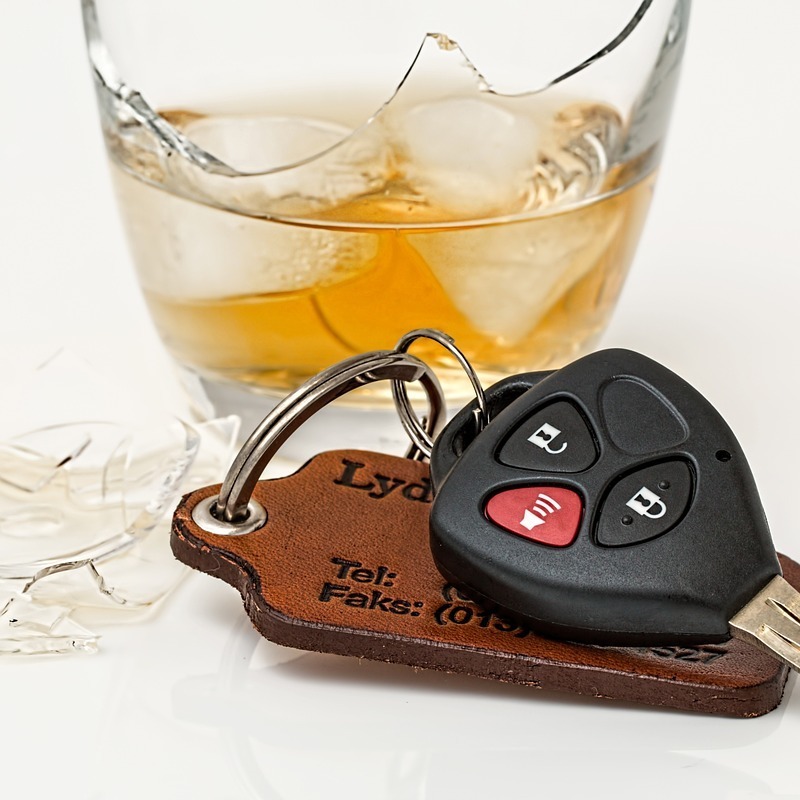
DUI Legislations: DUI laws forbid people from running an automobile while drunk of alcohol or medications. These legislations aim to ensure public safety and security by preventing drunk driving and decreasing accidents caused by impaired drivers.
BAC Limit: Most states have actually developed a lawful restriction for blood alcohol focus (BAC) at 0.08%. If a chauffeur's BAC exceeds this limit, they can be charged with a DUI offense.
Penalties: The penalties for a DUI conviction differ relying on aspects such as previous offenses, BAC degree, and any resulting injuries or home damage. Usual fines include fines, certificate suspension, required alcohol education and learning programs, probation, community service, and even imprisonment.
Consequences of Refusing a Breath Analyzer Test Test
Refusing to take a breath analyzer examination when asked for by law enforcement can have substantial repercussions. While it is within an individual's legal rights to decline the test, there are possible lawful ramifications that may arise.
Implied Consent Rule: The majority of states have actually indicated consent laws, which state that chauffeurs immediately give their grant send to a breathalyzer examination when they acquire a vehicle driver's certificate. Refusing the test can result in immediate fines, such as certificate suspension.
Administrative Penalties: Declining a breath analyzer examination often causes administrative penalties, separate from any type of criminal costs. These penalties typically entail an automated permit suspension for a specified period, regardless of whether the vehicle driver is ultimately convicted of a drunk driving offense.
Enhanced Suspensions: In some states, rejecting a breath analyzer test can lead to longer certificate suspensions than those enforced for failing the test and being founded guilty of a DUI offense. This is referred to as a boosted or exacerbated permit suspension.
Adverse Reasonings: Refusing a breath analyzer examination might be used versus the offender in court as evidence of regret or consciousness of guilt. District attorneys can say that the rejection recommends the specific knew they were intoxicated and wanted to stay clear of incriminating themselves.
Increased Analysis: When a person rejects a breathalyzer test, law enforcement police officers usually end up being a lot more dubious and alert. They may subject the specific to additional examinations, such as area sobriety tests or blood examinations, to collect proof for prospective charges.
Defense Strategies for Rejecting a Breathalyzer Test
While declining a breath analyzer examination can have legal implications, it is not without defense techniques. If you locate yourself in such a scenario, it is crucial to talk to a knowledgeable DUI attorney that can browse the complexities of your case and utilize efficient defense strategies.
Challenging Probable Cause
One prospective protection method is challenging the policeman's possible cause for launching the traffic stop or requesting the breathalyzer test. If there was no sensible uncertainty dui education curriculum or likely reason for stopping your car or suspecting you were driving drunk, the evidence collected after the quit may be suppressed.
Contesting Area Sobriety Tests
Field soberness tests are usually provided alongside breath analyzer examinations to collect additional evidence of disability. Nevertheless, these examinations are not always precise indications of intoxication and can be tested in court. A seasoned DUI attorney can examine the management and results of area soberness tests to recognize any kind of potential problems or errors.
Questioning Breath analyzer Accuracy
Breathalyzer examination results can be based on mistake as diabetes dui defense a result of various variables, such as incorrect calibration, upkeep issues, or driver error. Your defense attorney can check out the breath analyzer test maker's maintenance documents, calibration certificates, and the policeman's training to figure out if there were any type of prospective mistakes in the examination results.
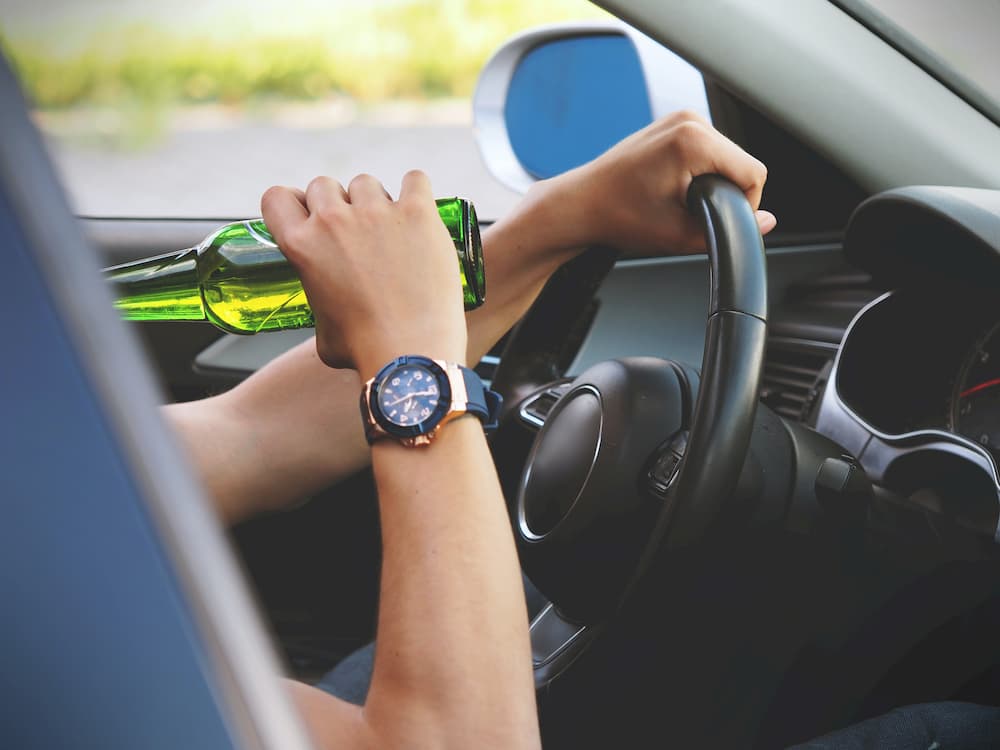
Asserting Constitutional Rights
Refusing a breathalyzer test is an exercise of your humans rights. Your defense attorney can argue that requiring you to take the test against your will violates your 4th Change civil liberties versus unreasonable searches and seizures.
Negotiating Appeal Bargains
In some instances, it may be beneficial to negotiate an appeal deal with the prosecution. This includes pleading guilty to a lesser offense or accepting reduced charges in exchange for even more lax charges. An experienced DUI attorney can analyze the toughness of your case and recommend on whether going after a plea bargain remains in your best interest.
Presenting Alternative Explanations
If you refused a breath analyzer examination for factors other than intoxication, such as a medical condition that would certainly hinder accurate examination results, your defense lawyer can provide alternative explanations to challenge the prosecution's narrative.
FAQs
Can I refuse a breath analyzer test without consequences? No, declining a breathalyzer test normally sets off management penalties such as certificate suspension.
Will declining a breathalyzer examination immediately bring about a drunk driving conviction? Rejecting a breathalyzer examination does not immediately cause a DUI conviction, however it might be used as proof against you in court.
Can I test the outcomes of a breath analyzer test? Yes, a skilled DUI attorney can test the precision and reliability of breath analyzer examination results.
What if I declined a breath analyzer test because of be afraid or confusion? Your defense lawyer can say that your rejection was not intentional but a result of anxiety or complication during the arrest.
Is it suggested to decline a breathalyzer test? Whether to reject a breath analyzer test is a personal decision that must be made after seeking advice from an attorney knowledgeable about the regulations in your jurisdiction.
Are there any type of alternative examinations to determine intoxication? Along with breath analyzer examinations, police police officers can administer blood examinations or field sobriety tests to gather proof of intoxication.
Conclusion
Refusing a breath analyzer examination features legal ramifications, consisting of prospective permit suspensions and negative reasonings in court. Nonetheless, there are protection strategies readily available to challenge the charges and protect your legal rights. Consulting with a knowledgeable DUI attorney is critical for browsing the intricate legal landscape and placing an efficient protection. Understanding your civil liberties and the possible effects of declining a breathalyzer test is crucial for making notified decisions if confronted with such circumstances.